Rethinking how we measure health — and why it might be time to step off the scales.
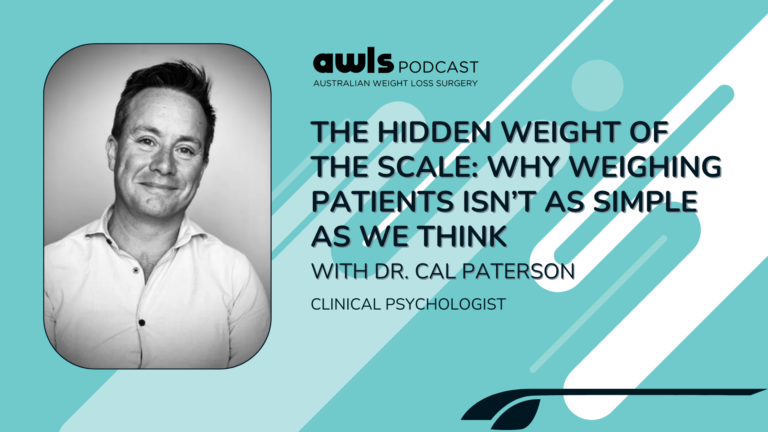
“Weight is what you weigh. Obesity is a condition of how your body’s tissues are balanced. They’re not the same thing.” — Dr. Cal Paterson
⚖️ Rethinking the Scale: What Are We Really Measuring?
For decades, stepping on the scale has been treated as a neutral act — a quick number that supposedly tells the whole story of health. But as Dr. Cal Paterson explains in this powerful episode, that number often does more harm than good.
Weight and obesity are not synonymous. Weight is simply mass; obesity is a clinical condition related to the balance of fat, muscle, and other tissues. Yet, in medical settings, we often conflate the two — reducing a complex human experience to a single metric.
“Imagine if a mechanic put your car on the scales before checking the engine. You’d wonder what they were learning from that.”
This analogy hits hard: weight alone tells us almost nothing about metabolic health, inflammation, or physical function.
💬 The Emotional Impact of the Scale
The scale doesn’t just measure — it judges.
Dr. Paterson highlights how weighing can trigger shame, anxiety, and avoidance, especially for patients who have struggled with weight stigma.
That tightening in the chest before stepping on the scales? That’s not about numbers — it’s about fear of judgment.
In healthcare, weighing should be treated like any other medical procedure — done with consent, sensitivity, and purpose.
“Would you take blood in a hallway? Then why weigh patients in one?”
This reframing calls for a cultural shift: from weight as a moral or emotional measure to weight as one data point among many.
🧠 Beyond BMI: New Measures of Health
BMI, once seen as the gold standard, fails to capture individual differences in body composition, muscle strength, or metabolic function.
Dr. Paterson suggests alternative indicators of health that better reflect real progress:
-
Grip strength as a measure of vitality and longevity
-
Functional movement as a reflection of daily health
-
Psychological wellbeing as a key outcome of obesity care
The future of medicine, he argues, must balance physical measures with lived experience.
💪 What You Can (and Can’t) Control
Perhaps the most liberating message from this episode: you can’t directly control your weight — but you can control the choices that support your body’s health.
“There’s a myth that if you just change your behavior, everything else will fall into place. It’s toxic, and it’s false.”
You can control your sleep, your stress management, and your eating environment — but not how your body responds minute to minute.
This mindset shift helps patients move away from guilt and toward empowerment.
🫶 A Message from Our Partners at BN Healthy
At BN Healthy, we share this philosophy: health isn’t about chasing perfection — it’s about nourishing your body through every stage of recovery.
BN Healthy’s Australian-formulated bariatric vitamins and supplements are designed to support long-term wellness, not just post-surgery recovery. Because real progress comes from balance, not blame.
Explore the full BN Healthy range at www.bnhealthy.com.au.
🎧 Listen to the Full Episode
🎙️ Hosted by Jacqui Lewis on the Australian Weight Loss Surgery Podcast
👉 Check Dr. Cal Paterson here:
💭 Final Thoughts
Weighing patients shouldn’t be an afterthought. It should be a conversation — one grounded in consent, compassion, and context.
As Dr. Paterson reminds us, numbers can guide, but they should never define.
“The real measure of health is how you’re living — not what you weigh.”
#ObesityMedicine #WeightStigma #BariatricPsychology #HealthEthics #AWLSPodcast #JacquiLewis #BNHealthy #ObesityAwareness #HealthcarePractice #PatientCare #HealthBeyondNumbers